




Other CT Humanities Programs

Creative Commons Licensing


Now Viewing:
Social Movements
Despierta Boricua: Yale University’s First Puerto Rican Organization
By Amanda Rivera Did you know that one of the…
Read
Martha Minerva Franklin: Breaking Barriers for Black Nurses
An activist for Black nurses in the early 20th century, Martha Minerva Franklin worked to end discrimination and secure equal rights for her profession.
Read
The Explosion of the Redding Baptist Meeting House
The explosion of Redding’s Baptist Meeting House provides a glimpse of the various arguments and conflicts about slavery swirling in one community before the Civil War.
Read
Larry Kramer: Gay Rights and HIV/AIDS Activism
Larry Kramer’s impactful literature and advocacy endeavors altered negative national perceptions to significantly improve AIDS health policies.
Read
Sarah Harris Fayerweather
Sarah Harris Fayerweather was a Black activist and abolitionist who fought for school integration in the early 19th century.
Read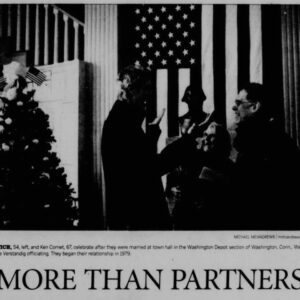
Connecticut Issues Same-Sex Marriage Licenses for the First Time – Today In History: November 12
On November 12, 2008, Connecticut issued its first marriage licenses for same-sex couples after Kerrigan et al. v. Commissioner of Public Health et al..
Read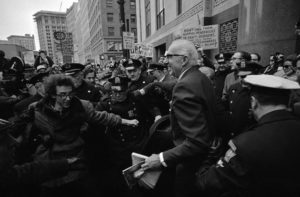
Benjamin Spock: Raising the World’s Children
Pediatrician Benjamin Spock revolutionized childcare in the 20th century before becoming a leading figure in the anti-war movement of the 60s and 70s.
Read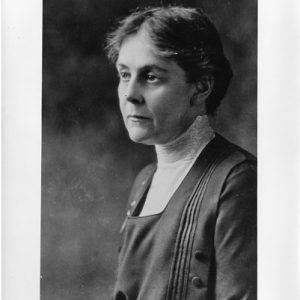
Alice Hamilton: The Nation’s Leading Expert on Industrial Diseases
Dr. Alice Hamilton was a leading authority on industrial diseases and the first female faculty member at Harvard before she retired to Hadlyme, Connecticut.
Read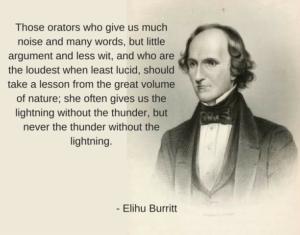
Apostle of Peace: Elihu Burritt’s Quest for Universal Brotherhood
Elihu Burritt, a blacksmith by trade, became an advocate for peace around the world throughout the 19th century.
Read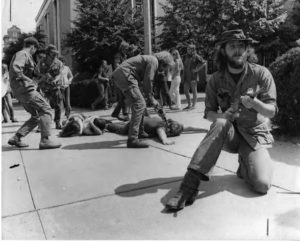
Vietnam Protests in Connecticut
Opposition to the war in Vietnam manifested itself in Connecticut in many of the same ways it did across the country.
Read
The Merger That Was Not Meant To Be: Yale University and Vassar College
Yale University’s failed merger with Vassar College—a women’s college in Poughkeepsie, New York—in the late-1960s gave Yale the final push into coeducation.
Read
Mohegan Federal Recognition
“We are no longer the little old tribe that lives upon the hill. We are now the Nation that lives upon the hill.”
Read
Eighteen Years in the Making: Connecticut’s 1991 Gay Rights Law
Connecticut’s 1991 “gay-rights law” was one of the state’s first LGBTQ+ civil rights laws and prohibited discrimination based on sexual orientation in housing, employment, and credit.
Read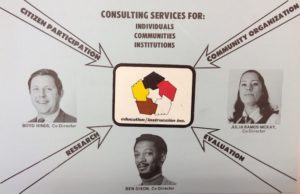
Education/Instrucción Combats Housing Discrimination
This group’s bilingual name reflected its educational mission as well as its dedication to unified, multicultural cooperation for the common good.
Read
Literacy Tests and the Right To Vote
Connecticut was the first state to require a literacy test of would-be voters and, even as the practice came under fire as a tool of discrimination, the state held steady until 1970.
Read
Rewriting the Norm: How Two East Haddam Women Revolutionized Nonsexist Language
East Haddam’s Casey Miller and Kate Swift were both outspoken advocates for eradicating gender bias in the English language.
Read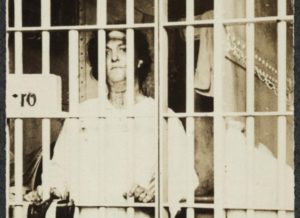
19th Amendment: The Fight Over Woman Suffrage in Connecticut
In Connecticut, Frances Ellen Burr and Isabella Beecher Hooker took up the cause by forming the Connecticut Woman Suffrage Association (CWSA) in 1869.
Read
Hartford’s Challenge to “The Birth of a Nation”
D. W. Griffith’s silent movie, the racially charged “Birth of a Nation,” initially played to large audiences in Hartford before meeting with official resistance after World War I.
Read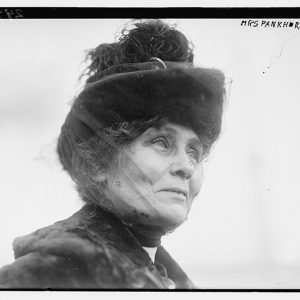
Emmeline Pankhurst’s “Freedom or Death” Speech Energizes Connecticut Women in 1913
In 1913, a famous British suffragist, Emmeline Pankhurst, gave a powerful and memorable speech on the steps of the Parsons Theater in Hartford.
Read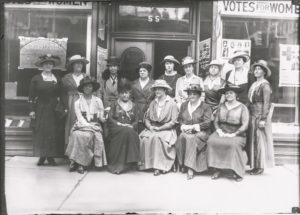
Rosamond Danielson: Windham County Suffragist and Community Leader
Rosamond Danielson was a respected suffragist, World War I worker, and philanthropist from Putnam Heights.
Read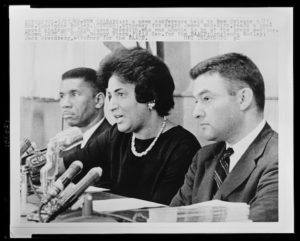
Constance Baker Motley: A Warrior for Justice
New Haven lawyer Constance Baker Motley became famous for arguing some of the most important cases of the civil rights movement.
Read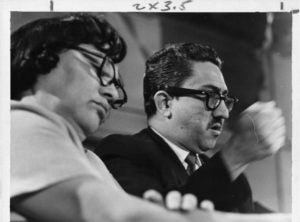
Maria Colón Sánchez, State Representative and Community Advocate
The first Latina elected to the Connecticut General Assembly started as a grassroots activist for Hartford’s Puerto Rican community.
Read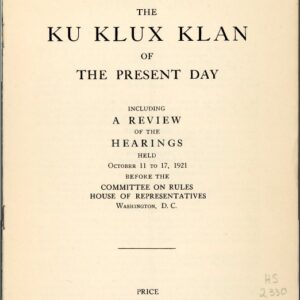
The Ku Klux Klan in Connecticut
The white supremacist organization, the KKK, first organized in Connecticut during the 1920s, promoting themselves as part of the nativist movement.
Read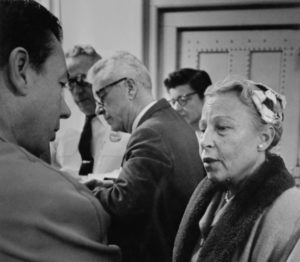
Griswold v. Connecticut – Today in History: June 7
On June 7, 1965, the Supreme Court ruled 7-2 in Griswold v. Connecticut.
Read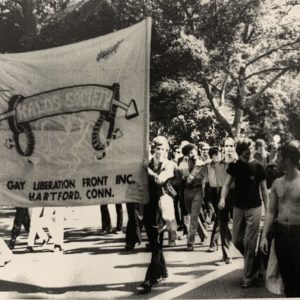
Kalos Society: Connecticut’s First Modern LGBTQ+ Activist Organization
The Kalos Society emerged in the late 1960s as the first gay activist organization in Connecticut
Read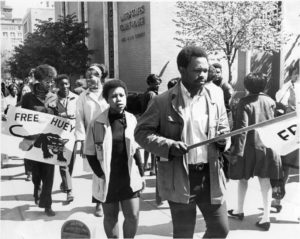
The Black Panther Party in Connecticut: Community Survival Programs
The Black Panthers had a significant presence in Connecticut in the 1960s and ’70s, particularly through community programs aimed to serve minorities living in the state’s more urban areas.
Read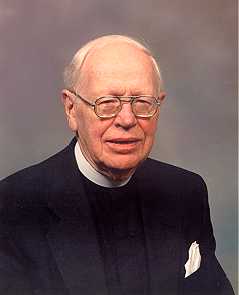
Canon Clinton Jones: A Revolutionary Figure in Connecticut’s LGBTQ+ History
Canon Clinton Jones was a central figure in Connecticut’s LGBTQ+ community and a pioneer for compassionate care, queer visibility, and gender affirmation.
Read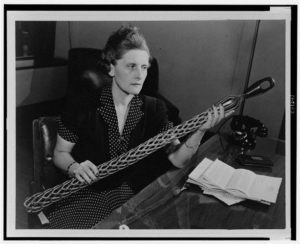
Vivien Kellems Takes On the IRS
Reformer Vivien Kellems fought her most famous battle against the Internal Revenue Service (IRS) as she sought tax reform for businesses and single people.
Read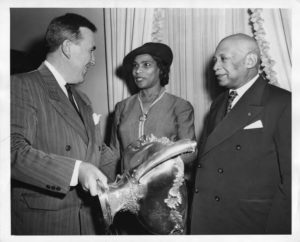
Marian Anderson’s Role in the Civil Rights Movement
Marian Anderson performed and traveled in segregated spaces and emerged as one of the great singers of the 20th century.
Read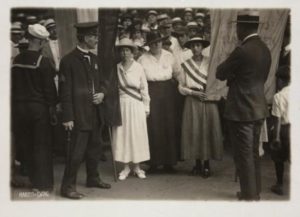
Women of the Prison Brigade
These women from all walks of life had one thing in common: they had been jailed for demonstrating in support of women’s right to vote.
Read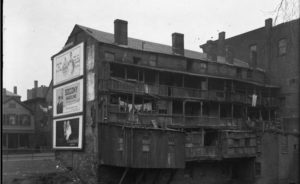
Hartford’s Sex Trade: Prostitutes and Politics
Union organizer Rebecca Weiner was among the few who proposed to address the social and economic conditions that enabled the world’s oldest profession to thrive in the capital city during the 1800s.
Read
Early 20th-Century Immigration in Connecticut
Connecticut played host to new, vast populations of Italian, Polish, and French Canadian immigrants who helped reinvent the state’s cultural identity.
Read
The Reader’s Feast: A Bookstore Ahead of Its Time
For over two decades, The Reader’s Feast was the most progressive independent bookstore in the Hartford area and provided a space for literature, community, food, and affirmation.
Read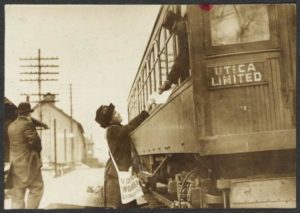
A Feeling of Solidarity: Labor Unions and Suffragists Team Up
The voting booth and the shop floor were two important arenas in the fight for women’s equality.
Read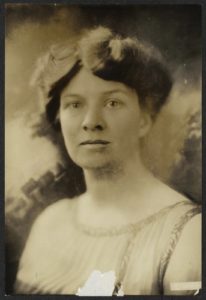
Katharine Houghton Hepburn, A Woman Before Her Time
This Hartford suffragist and reformer fought for women’s rights in the first half of the 20th century.
Read
Mary Townsend Seymour: Hartford’s Organizer, Activist, and Suffragist
Mary Townsend Seymour was a leading organizer, civil rights activist, suffragist, and so much more in Hartford during the early 20th century.
Read
Emma Hart Willard: Leader in Women’s Education
Berlin-born Emma Hart Willard used her passion for learning to create new educational opportunities for women and foster the growth of the co-ed system.
Read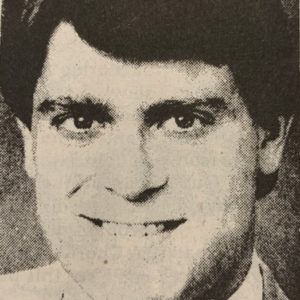
Richard Reihl: The Hate Crime That Became a Turning Point for LGBTQ+ Civil Rights
The 1988 murder of Richard Reihl, a gay man from Wethersfield, galvanized and mobilized communities to organize and transform LGBTQ+ civil rights legislation in the state for decades to come.
Read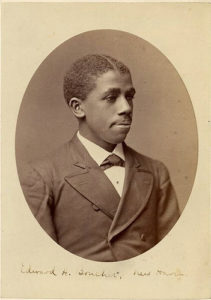
Edward Alexander Bouchet: The First African American to Earn a PhD from an American University
Edward Alexander Bouchet was a physicist who was among Yale’s first African American students, and reportedly became the first African American in the United States to earn a PhD.
Read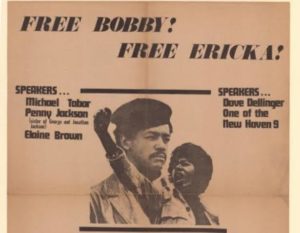
“Free Bobby, Free Ericka”: The New Haven Black Panther Trials
In 1969, the Black Panther Trials brought national attention to New Haven as prosecutors charged members of the radical movement with murdering one of their own.
Read
LGBTQ+ Mental Health Treatment in the 20th Century
The simultaneous development of accepted mental health practices and LGBTQ+ visibility over the decades offers a chance to examine how psychological research contributed to the discrimination of LGBTQ+ individuals and communities.
Read
The Smith Sisters and Their Cows Strike a Blow for Equal Rights – Today in History: January 8
Abigail and Julia Smith of Glastonbury (along with Isabella Beecher Hooker) fought for a woman’s right to speak at town meetings and have a say in government.
Read
Ida Tarbell: The Woman Who Took On Standard Oil
Ida Tarbell became one of the most famous “muckraking” journalists in 19th century America, thanks largely to her investigation of the Standard Oil Company.
Read
Elihu Burritt Born – Today in History: December 8
On December 8, 1810, Elihu Burritt was born in New Britain, Connecticut, to a farming family and became a leading pacifist of his time.
Read
The Slow Demise of Prohibition in Wilton
It is only in recent decades that the people of Wilton moved forward, albeit divisively, with plans to allow the sale of alcohol in their town.
Read
Taking on the State: Griswold v. Connecticut
In the 1960s, Estelle Griswold challenged Connecticut’s restrictive birth control law, making it all the way to the Supreme Court.
Read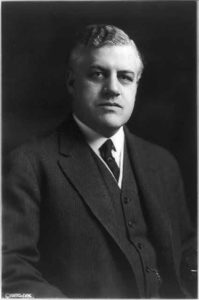
The “Red Scare” in Connecticut
The Palmer Raids, launched in Connecticut in 1919, were part of the “Red Scare” paranoia that resulted in numerous civil rights violations committed by law enforcement officials.
Read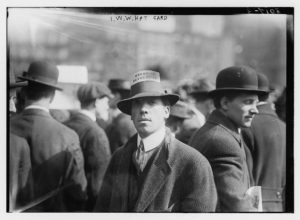
How the Wobblies Won Free Speech
Denied the right to free assembly in public spaces, Connecticut workers joined in a larger national movement of civil disobedience.
Read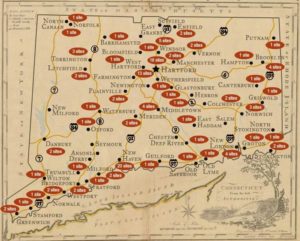
Site Lines: Connecticut’s Freedom Trail
Sites along the Connecticut Freedom Trail mark key events in the quest to achieve freedom and social equality for African Americans in the state.
Read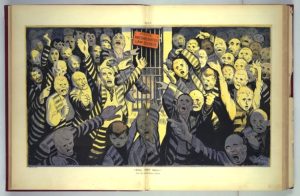
Art Young, Radical Cartoonist
One of the more controversial cartoonists of the early 20th century, Art Young lived much of his life in Bethel. Residents later founded the Art Young Gallery in his memory.
Read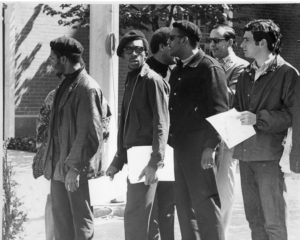
The Rise of the Black Panther Party in Connecticut
The Black Panther Party in Connecticut fought for an end to discriminatory legal and regulatory practices, often clashing with authorities to achieve their goals.
Read
Serving Up Justice: Hartford’s Black Workers Organize
The earliest labor union for African American workers in Hartford appeared in 1902 with the birth of the Colored Waiters and Cooks Local 359.
Read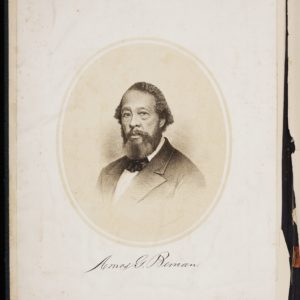
The Rev. Amos Beman’s Devotion to Education, Social Activism, and New Haven
Amos Beman spent much of his life a religious leader and social activist in New Haven, fighting the stereotypes and other obstacles he encountered because of his race.
Read
“’No Taxation without Representation’: Black Voting in Connecticut
In 1870, Connecticut ratified the 15th Amendment, but poll taxes, grandfather clauses, and other means of disenfranchising African Americans remained in place.
Read
Senator Brandegee Stonewalls Women’s Suffrage
Senator Frank Brandegee of New London vehemently opposed progressive legislation at the national level, particularly when it came to the issue of women’s suffrage.
Read
Hartford Wide-Awakes – Today in History: July 26
On July 26, 1860, the Hartford Wide-Awakes welcomed the Newark, New Jersey, Wide-Awakes to a banquet and ratification meeting at Hartford’s City Hall.
Read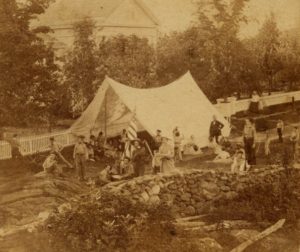
Reading, Writing, and the Great Outdoors: Frederick Gunn’s School Transforms Victorian-era Education
In 1850, this educator, prominent abolitionist, and outdoorsman founded The Gunnery, a school in Washington, Connecticut.
Read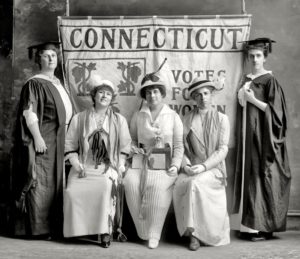
Connecticut Suffragists Appeal to the President – Today in History: July 12
On July 12, 1918, Connecticut suffragists rallied in Hartford and Simsbury to appeal to President Woodrow Wilson for help in getting women the right to vote.
Read
Connecticut Attorney General John H. Light and His Fight for Woman’s Suffrage
Attorney General John H. Light made his pro-suffrage stance public at a time when such advocacy could still lead to criticism
Read
Henry Ward Beecher, a Preacher with Political Clout
This skilled orator championed woman suffrage, temperance, and the cause of anti-slavery but scandal nearly derailed his career.
Read
Helen Keller in Connecticut: The Last Years of a Legendary Crusader
The internationally known author, political activist, and lecturer, Helen Keller, made her final home in Easton.
Read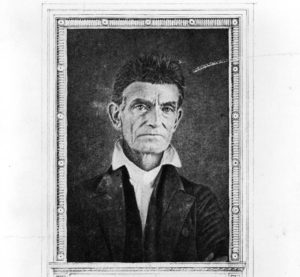
John Brown Born – Today in History: May 9
On May 9, 1800, the man who became a catalyst for the Civil War was born in an 18th-century saltbox house in West Torringford.
Read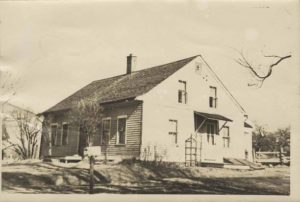
Amos Bronson Alcott Changes the Way Connecticut Children Learn
Amos Bronson Alcott was an educator and reformer born in Wolcott, Connecticut and father to best-selling author, Louisa May Alcott.
Read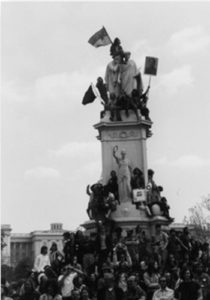
Vietnam Veterans Against the War – Today in History: April 19
On April 19, 1971, Vietnam veterans groups from Hartford, New Haven, and Stamford joined demonstrations in Washington, DC.
Read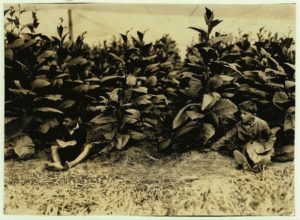
Child Labor in Connecticut
While Connecticut proved to be one of the more progressive states when it came to child labor laws, it still took federal legislation to protect children in the workplace.
Read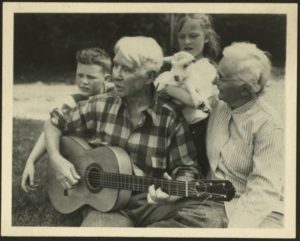
Carl Sandburg, Poet from the Grassroots, Reaches Connecticut Audiences
Popular poet, singer, and activist Carl Sandburg had numerous connections to Connecticut and promoted social reform in the early 20th century.
Read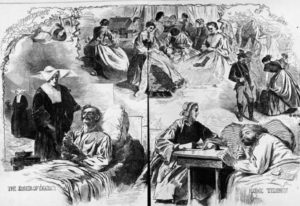
Bridgeport Women Answer the Call – Today in History: April 15
On April 15, 1861, the women of Bridgeport created the nation’s first soldiers’ aid society during the American Civil War.
Read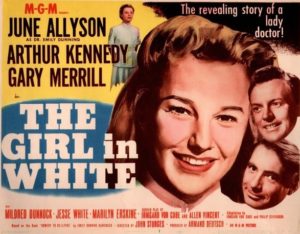
New Canaan’s Pioneering Female Physician
Dr. Emily Dunning Barringer was the first female ambulance surgeon in New York City and the first female physician to work as an intern in a New York City hospital.
Read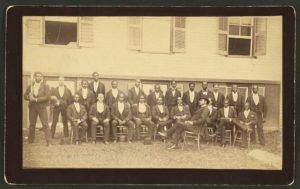
Swinging for the Fences: Connecticut’s Black Baseball Greats
In Connecticut, African Americans played organized baseball as early as 1868, some of the game’s biggest stars played for teams throughout the state.
Read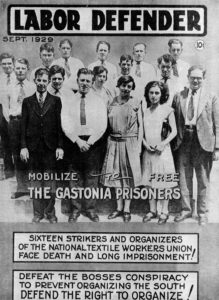
Vera Buch Weisbord’s “Radical” Life
Vera Wilhelmine Buch Weisbord was a labor activist who helped organize trade unions and strikes that shaped the labor movement of the 1920s and 1930s.
Read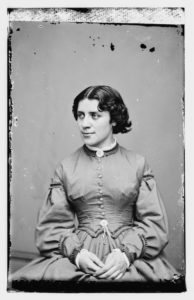
Anna Elizabeth Dickinson at Touro Hall – Today in History: March 24
On March 24, 1863, Anna Elizabeth Dickinson, a 20-year-old Quaker and abolitionist from Pennsylvania, spoke at Hartford’s Touro Hall.
Read
The Smith Sisters, Their Cows, and Women’s Rights in Glastonbury
By refusing to pay unfair taxes, these siblings became national symbols of discrimination suffered by women and of the struggle of the individual against government.
Read Elihu Burritt Dies – Today in History: March 6
On March 6, 1879, Elihu Burritt “the learned blacksmith” died in New Britain.
Read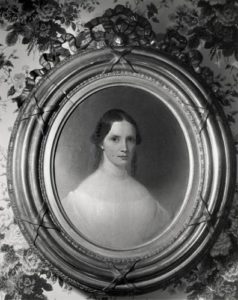
Looking Back: Tempest Tossed, the Story of Isabella Beecher Hooker
Isabella Beecher was a suffragist and spiritualist who shunned traditional female roles while alienating large parts of her family during her brother’s adultery scandal.
Read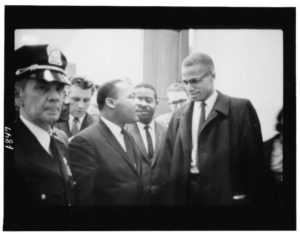
Malcolm X in Hartford: “Our Mission is Not Violence but Freedom”
In addition to helping found Nation of Islam Temple No. 14 in Hartford, Malcolm X spent considerable time in Connecticut rallying supporters to his cause.
Read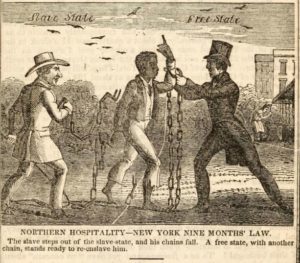
The Fugitive and the Hero
A runaway slave, evading the legal realities of the Fugitive Slave Law while working aboard the steamship Hero, jumped ship in East Haddam, narrowly avoiding the slave catchers that awaited him in Hartford.
Read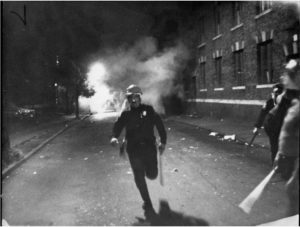
The Language of the Unheard: Racial Unrest in 20th-Century Hartford
Race riots in Hartford during the 1960s came about thanks to a century of frustration and political inaction surrounding disparate standards of living among different races and ethnicities,
Read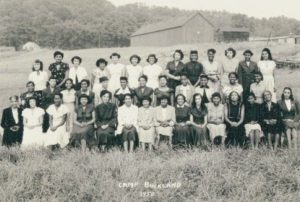
Laboring in the Shade
Thousands of Black Southern students, including a young Martin Luther King Jr., came north to work in Connecticut’s tobacco fields.
Read
Rivers of Outrage
Pollution of Connecticut’s waters by industrial waste and sewage in the decades after the Civil War was arguably the state’s first modern environmental crisis.
Read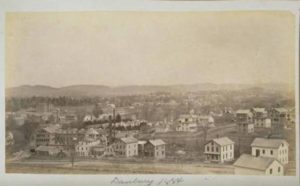
Ending the Danbury Shakes: A Story of Workers’ Rights and Corporate Responsibility
Despite the known dangers of prolonged exposure to mercury, the hat-making industry was slow to safeguard workers against its toxic effects.
Read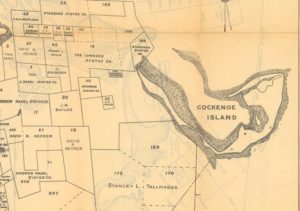
The Battle for Cockenoe Island
In 1967, the United Illuminating Company proposed to build a nuclear power plant on Cockenoe Island off the coast of Westport, but grassroots activism ultimately scuttled that plan.
Read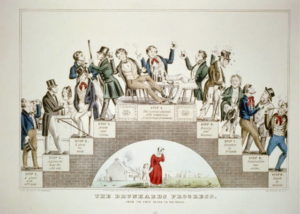
The Temperance Movement in Connecticut – Today in History: October 27
On October 27, 1841, the steamboat Greenfield traveled down the Connecticut River, transporting people to the Temperance Convention in Middletown.
Read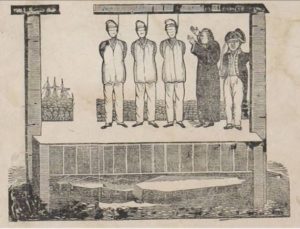
Capital Punishment in Connecticut: Changing Views
Connecticut’s struggles with the issue of capital punishment date back to its earliest days as a colony.
Read
The Wallingford Oneida Community
In the late 1800s, Wallingford was home to a small branch of the Oneida Community.
Read
Hartford’s Les Payne, Trailblazing Journalist
Les Payne grew up in Hartford and became one of the best-known African-American journalists in the United States.
Read
The Sand Hogs Set the Foundation for the Bulkeley Bridge
Toiling in dangerous conditions beneath the Connecticut River’s surface for only $2.50 a day, African American workers dug the foundation for the Bulkeley Bridge.
Read
Trolley Campaigners Storm Small Towns and Votes for Women is the Battle Cry
In the wake of a 1912 trolley campaign, the woman’s suffrage movement rapidly gained ground across Connecticut.
Read
The Most Famous American in the World
In 1853, in cities and villages across Britain and Europe, throngs of admirers pushed to catch a glimpse of a barely 5-foot-tall writer from America whose best-selling novel had taken slavery to task.
Read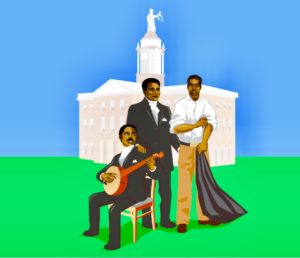
Early Civil Rights and Cultural Pioneers: The Easton Family
For a variety of reasons, the Eastons were one of New England’s most notable 19th-century African American families.
Read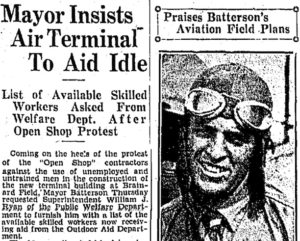
“Something to Show for Our Work”: Building Brainard Airport
At the height of the Great Depression, unemployed men living around Hartford, became a cheap source of labor to help build Brainard airport.
Read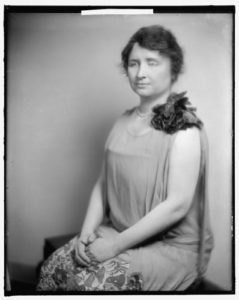
Helen Keller Dies – Today in History: June 1
On June 1, 1968, American author, political activist, and lecturer Helen Keller died at the age of 87.
Read
Mary Hall: Connecticut’s First Female Attorney
Writer and suffragist Mary Hall studied law under John Hooker and became Connecticut’s first female attorney.
Read
Josephine Bennett: Hartford’s City Mother
By linking disparate social and political movements of the early 20th century, activist Josephine Bennett was “intersectional” well before the term was invented.
Read
Elizabeth W. Coe Demands the Right of Jury Service
After passage of the 19th Amendment, Elizabeth W. Coe of Waterbury argued that women should be granted the right to serve on jury panels.
Read
The Northern Student Movement
The Northern Student Movement motivated college students to contribute their energies to important social causes such as literacy and civil rights.
Read
Speaking under the Open Sky: Frederick Douglass in Connecticut
The famous abolitionist Frederick Douglass had several connections to Connecticut, including run-ins with a number of the state’s vocal slavery proponents.
Read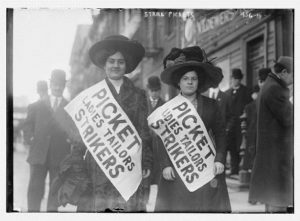
Triangle Shirtwaist Fire: Connecticut Lessons from a Tragedy
While the Triangle Shirtwaist fire in New York City is one of the most famous tragedies behind the organized labor movement, Connecticut had its share of equally dangerous work environments in the early 20th century.
Read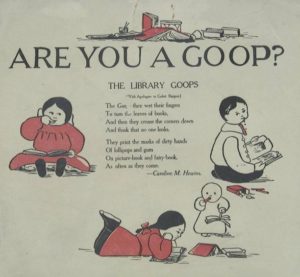
The Public Library Movement: Caroline Hewins Makes Room for Young Readers
This Hartford librarian played a leading role in national efforts to transform libraries into public centers that welcomed patrons from all walks of life.
Read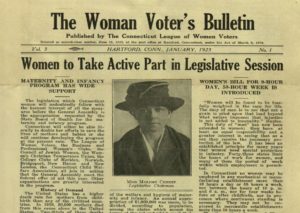
A Day for Women – Today in History: March 8
Women’s fight for the right to vote in the Constitution State may be dated to 1869, when the Connecticut Woman Suffrage Association (CWSA) was organized.
Read
Andover Lake: A Lesson in Social Change
While residents of Andover and other nearby towns enjoy the property’s 159 acres, Andover Lake played in challenging racial boundaries during the Civil Rights Era.
Read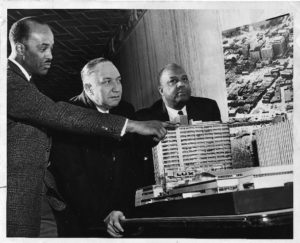
Constitution Plaza Then and Now
Hartford’s first major redevelopment project, Constitution Plaza was built as part of the urban renewal initiatives in the 1950s and ’60s.
Read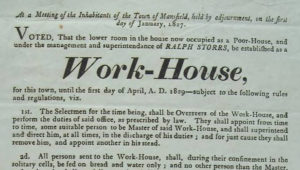
Connecticut Poor Law Aimed to Care for the Needy
Connecticut instituted a Poor Law in the 17th century to comply with a directive from the British government that the colony ensure for the care of the poor within its borders
Read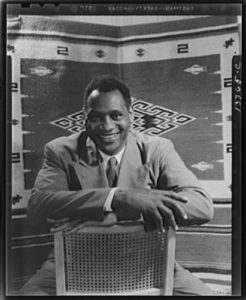
“Negroes Who Stand Up and Fight Back” – Paul Robeson in Hartford
Called the “greatest mobilization of police in the city’s history,” the event that brought law enforcement out in force to Keney Park was not a riot, not a strike, but a concert by this singer-actor and activist.
Read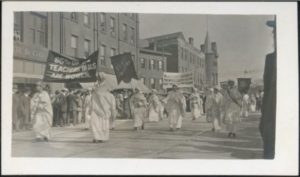
Women Win the Right to Vote
After a decades-long struggle, women in Connecticut and across the US gained a say in government.
Read
An Orderly & Decent Government: Business and Government, 1905-1929
The early years of the 20th century were a time of vigorous political and social reform.
Read An Orderly & Decent Government: Making Self-Government Work, 1819-1865
In the mid-19th century, Connecticut looked toward changing its electoral processes as well as its civil rights record.
Read An Orderly & Decent Government: Searching for the Common Good, 1929-1964
Organized labor grew strong during wartime while discriminatory practices in housing and education persisted throughout the state.
Read An Orderly & Decent Government: Significant Events & Developments, 1965-Now
Connecticut recast its constitution, reapportioned its House and Senate, and struggled with providing equal rights to all races and socio-economic classes in the state.
Read An Orderly & Decent Government: A Co-Equal Branch of Government, 1965-Now
Connecticut replaced town-based representation with legislative districts while the state struggled to supply equal opportunities across race and class lines.
Read An Orderly & Decent Government: Searching for the Common Good, 1965-Now
The state generated revenue for urban renewal and social programs through gaming and income tax initiatives.
Read An Orderly & Decent Government: The Rise of the Factory, 1866-1887
In the years following the Civil War, Connecticut’s transformation to an urban, industrial state intensified.
Read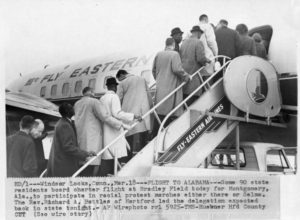
Civil Rights Demonstrations – Today in History: March 18
On March 18, 1965, about 90 Connecticut residents boarded a plane at Bradley Airport to participate in the Civil Rights protest marches over voter registration rights in Alabama.
Read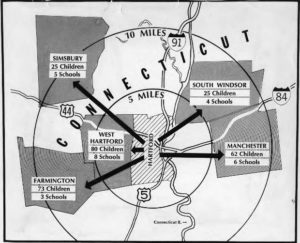
Sheff v. O’Neill Settlements Target Educational Segregation In Hartford
This landmark case not only drew attention to inequalities in area school systems, it focused efforts on reform.
Read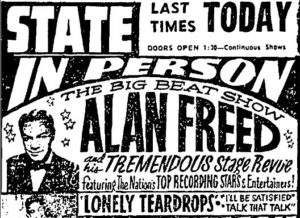
Rock and Roll vs. Racism
The State Theater in Hartford brought residents of all different backgrounds together in the 1950s and ’60s through the spirit of rock ‘n’ roll.
Read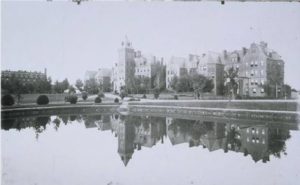
Designed to Heal: The Connecticut General Hospital for the Insane
The design of this state facility in Middletown reflects 19th-century beliefs about the environment’s ability to influence mental health.
Read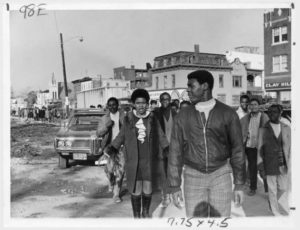
A First Amendment Lesson: Weaver High Students Teach Their Elders
In the 1960s, Hartford high school students published a controversial newspaper that sparked debates about freedom of speech and freedom of the press.
Read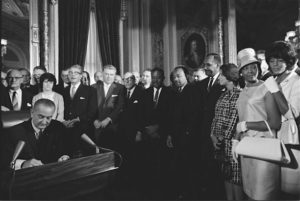
Selma, Not So Far Away
Father Leonard Tartaglia was sometimes called Hartford’s “Hoodlum Priest.” Like the 1961 film of the same name, Tartaglia ministered to the city’s poor and disenfranchised.
Read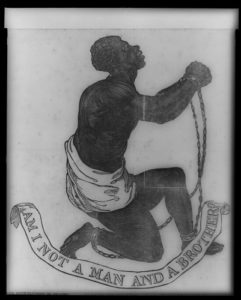
Early Anti-slavery Advocates in 18th-century Connecticut
Ideals advanced during the American Revolution inspired many of the state’s religious and political leaders to question and oppose slavery in the late 1700s.
Read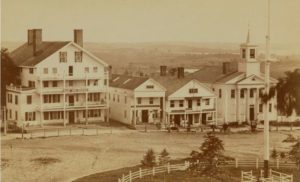
The Peace Movement in Litchfield
While the peace movement in Litchfield was short-lived, it provides a reminder of the disparity in public opinion during the first few turbulent months of the Civil War.
Read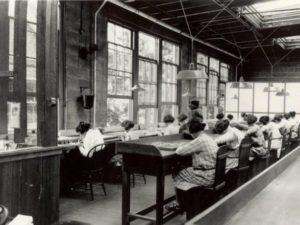
Waterbury’s Radium Girls
In the early 20th century, girls working at the Waterbury Clock Company faced death and disease from exposure to radium in the workplace.
Read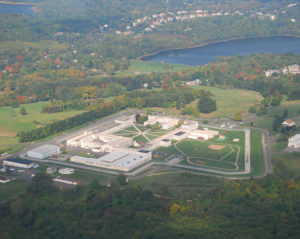
Danbury Prison Protest – Today in History: August 11
On August 11, 1943, conscientious objectors and other prisoners staged a 135-day hunger strike to protest racial segregation in the Danbury prison’s dining hall.
Read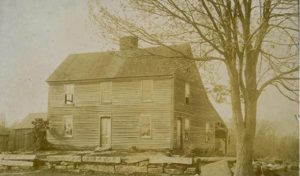
Hidden Nearby: John Brown’s Torrington Birthplace
Ruins are all that remain of the birthplace of this transformative figure in US history.
Read
A Public Responsibility: Conservation and Development in the 20th Century
The seemingly contradictory calls to use or preserve the state’s natural resources are, in fact, closely related efforts that increasingly work in tandem—but not without conflict.
Read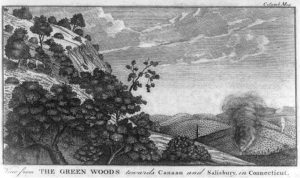
Dynamic Tensions: Conservation and Development up to the 1920s
From indigenous practices to Progressive-era projects, changing attitudes toward natural resources have shaped and reshaped the state’s landscape.
Read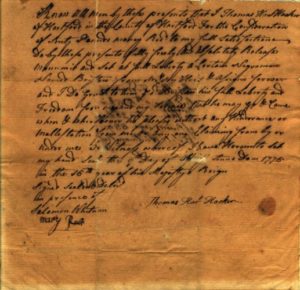
Gradual Emancipation Reflected the Struggle of Some to Envision Black Freedom
Connecticut enacted gradual emancipation in 1784 but the abolition of slavery would not occur until 1848.
Read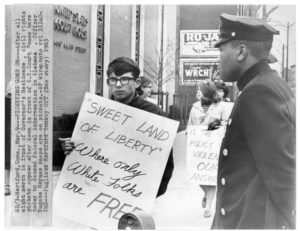
Hartford Protests in Support of Selma – Today in History: March 9
On March 9, 1965, protesters held an all-night vigil in front of Governor John Dempsey’s residence in support of the voter registration marchers in Selma, Alabama.
Read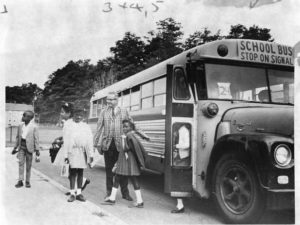
Connecticut Takes the Wheel on Education Reform: Project Concern
As one of the earliest voluntary busing programs in the US, Project Concern sought to address educational inequalities.
Read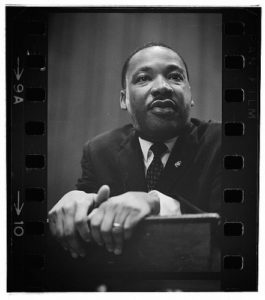
Dr. Martin Luther King Jr’s Time in Connecticut
In the summer of 1944, a young Martin Luther King Jr. worked at the Simsbury tobacco farm of Cullman Brothers, Inc.
Read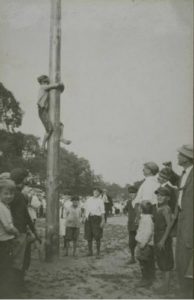
Labor Day at the Turn of the 20th Century
In February of 1889, the Connecticut General Assembly passed a bill making the first Monday of each September a legal holiday.
Read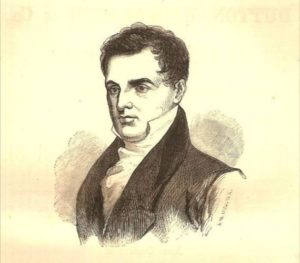
Medical Pioneer Eli Todd born – Today in History: July 22
On July 22, 1769, Eli Todd was born in New Haven and in 1824 became the first director of the Connecticut Retreat for the Insane in Hartford.
ReadMore Articles